
Restoring Form, Function, and Mobility Through Complex Tissue Transfer
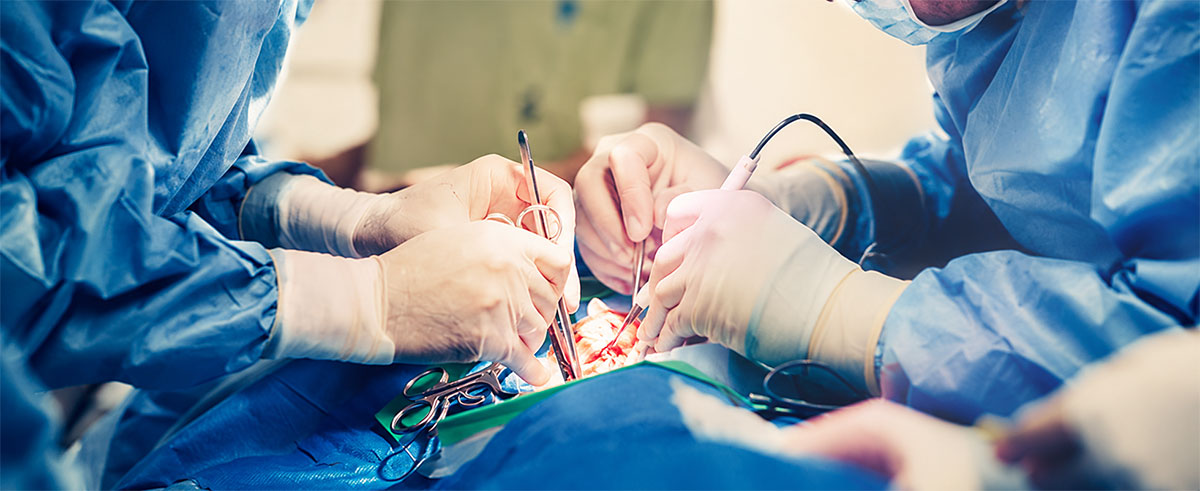
Trauma, cancer resections, severe infections, and congenital abnormalities can leave behind complex tissue defects that standard surgical techniques cannot adequately repair. Reconstructive microsurgery is an advanced surgical field that solves these complex challenges. By utilizing high-powered operating microscopes, specialized surgeons can transfer living tissue from one part of the body to another, reconnecting blood vessels and nerves less than a millimeter in diameter to restore both appearance and vital physical function.
Used to repair injuries from accidents, including damaged limbs, soft tissues, or fractures requiring tissue transfer.
Utilizing autologous (the patient's own) tissue flaps, such as DIEP or PAP flaps, to reconstruct a natural breast after a mastectomy without the use of synthetic implants.
Rebuilding the jaw, tongue, or facial structures using bone and skin from the leg (Fibula Flap) or forearm following extensive cancer tumor removal.
Repairing severe open fractures, complex wounds, or chronic bone infections (osteomyelitis) resulting from high-impact accidents, helping prevent the need for amputation.
Closing deep, non-healing wounds caused by radiation therapy, severe trauma, or peripheral vascular disease using advanced reconstructive techniques.
Operating on an ultra-microscopic scale to connect lymphatic vessels smaller than 0.5 mm, a breakthrough technique widely used for Lymphedema Surgery (Lymphovenous Anastomosis / LVA).
Real-time laser imaging used intraoperatively to visually confirm robust blood flow and perfusion within the newly transferred tissue.
High-precision micro-mechanical rings that secure seamless, clot-free connections between microscopic veins.
Because reconstructive microsurgery uses the patient's own living tissue, the results are permanent and adapt naturally to the body. Patients experience significantly improved quality of life, structural restoration of limbs, preserved mobility, and a highly reduced risk of long-term implant-related complications.
Consult our specialist for advanced reconstructive microsurgery and restore function and confidence.


